Skip to content

🧾 Introduction
Tory Bruno resigns ULA CEO 2025 In December 2025, the aerospace industry witnessed a major leadership change as Tory Bruno resigned as CEO of United Launch Alliance (ULA) after nearly 12 years at the helm. This development marks a significant shift in the competitive landscape of commercial spaceflight, especially as private companies like SpaceX continue to dominate launch markets worldwide.

🚀 Tory Bruno: Who is he?
From 2014 to 2025, American aerospace engineer and executive Tory Bruno led ULA as president and CEO. Under his direction, ULA concentrated on updating launch services, retiring older rockets, and creating new technology, such as the Vulcan Centaur launcher, ULA’s next-generation rocket intended to compete with less expensive launch providers.
The Significance of His Resignation
Bruno’s resignation coincides with intense competition in the international space launch industry. NASA and the Department of Defence are among the government clients that ULA, a joint venture between major U.S. defence contractors Boeing and Lockheed Martin, has previously catered to. Wikipedia

However, ULA’s hegemony has diminished due to more frequent and less expensive launch services provided by firms like SpaceX. In an effort to maintain its competitiveness, ULA may take new strategic paths as a result of the leadership change. More Posts

🌐 What Happened Next — Interim Leadership
After his departure, ULA named John Elbon, the company’s earlier Chief Operating Officer, as interim CEO. The board has faith in Elbon’s competency in leading ULA in the interim.
Newsroom This decision shows the need of safeguarding ULA’s operational neutrality, given the company’s forthcoming rocket launches and new national defense contracts.
📊 Impact on the Space Industry
Bruno’s resignation could have ripple effects across the aerospace sector:
Strategic Shifts: ULA may adjust its long-term strategy to align more closely with evolving market dynamics.
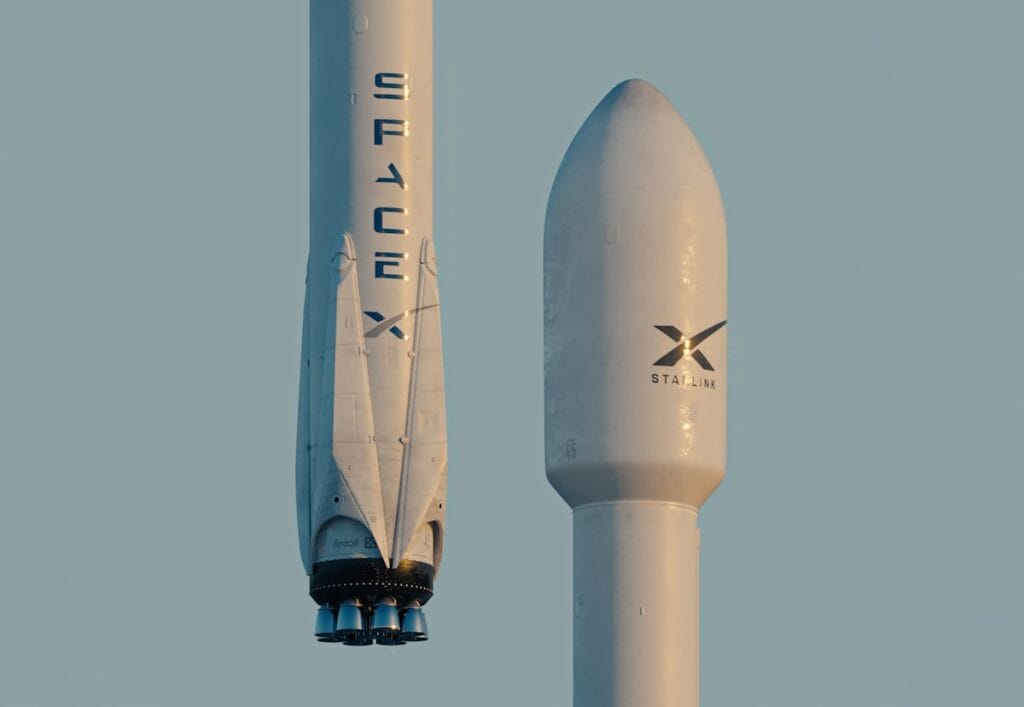
SpaceX Competition: Rival companies like SpaceX are rapidly increasing their launch cadence and market share.

Government Contracts: Changes in leadership could affect ULA’s government and commercial contracts.
These events create a rich context for discussion among space enthusiasts, investors, and professionals — making this topic ideal for your blog’s global audience.
🧠 What This Means for USA + India Readers
Space technology has global interest, including in India, which has its own vibrant space sector. Indian space enthusiasts and professionals often follow developments in U.S. aerospace companies — particularly when it comes to rocket launches, satellite deployment, and leadership changes in major firms.
By linking this ULA story to global trends, you can attract traffic from multiple countries (USA, India, Europe, etc.)
.🧩 Conclusion
Tory Bruno’s resignation as ULA CEO is a major industry story that reflects evolving competition in space launch services. With emerging leaders like John Elbon stepping in and rivals like SpaceX pushing the envelope, the global space race is entering a new chapter.

If ULA adapts effectively, it could continue to play a leading role in future missions — but only time will tell how this leadership change shapes the future of aerospace.
🔭 Future Outlook: What to Watch Next
The resignation of Tory Bruno places United Launch Alliance at a strategic crossroads. With Vulcan Centaur missions still ramping up, ULA’s next leadership choice will be critical for regaining momentum against agile competitors like SpaceX. Analysts expect increased focus on cost efficiency, faster launch timelines, and deeper collaboration with U.S. defense and space agencies. For global observers—including India’s growing space-tech community—ULA’s next moves will signal whether traditional aerospace giants can successfully adapt in an era dominated by private innovation and rapid commercialization.